There’s one moment no cruiser wants to hear…
You wake up, look out from your balcony, and instead of a new destination, you see open ocean. Then the announcement comes through: today’s port is cancelled.
It happens more often than people expect.
Weather is usually the main reason, but not all ports are equal. Some look incredible on an itinerary, but behind the scenes they’re much harder for ships to visit reliably.
So which cruise ports get skipped the most, and what actually causes it?
Ports That Are Often Cancelled
1. Santorini (Greece)
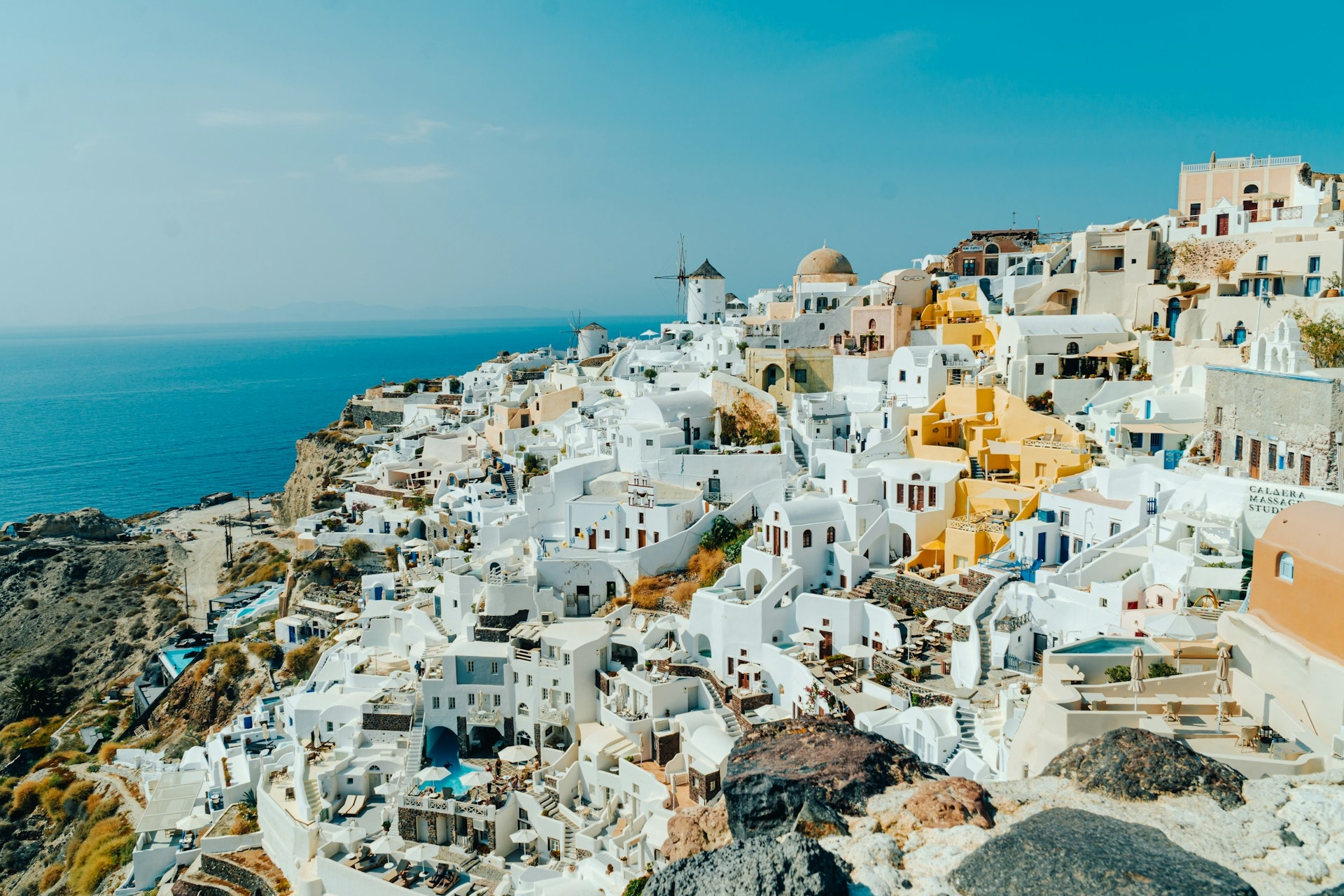
Santorini looks calm in photos, but it’s one of the trickier ports in the Mediterranean.
Ships don’t dock here. They anchor offshore and use tender boats to bring passengers in, so everything depends on sea conditions. Even moderate wind or swell can make tendering unsafe, and when that happens, the stop gets cancelled.
Timing also plays a role. Santorini is a very busy port, often with multiple ships visiting on the same day. If conditions aren’t ideal or there are delays, cruise lines won’t take risks trying to keep the stop.
It’s one of the most frustrating misses because for many people, this is the main reason they booked the cruise. When it’s cancelled, there’s usually no real alternative that compares.
2. Funchal (Madeira)
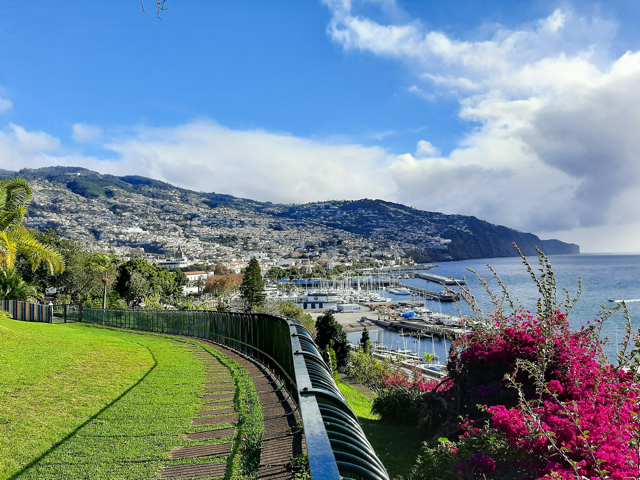
Funchal appears on a lot of Canary Islands and transatlantic routes, but it’s far from guaranteed.
The harbour is quite exposed, and strong winds can build quickly, especially in the cooler months. Even large ships can struggle to dock safely when conditions pick up, and if the wind is too strong, it’s simply not worth the risk.
This is one of those ports where everything can look fine from a passenger’s point of view, but docking is still not possible. Manoeuvring into position becomes the problem, not just the waves.
On transatlantic sailings, it’s often the last stop before a long stretch at sea. If it gets cancelled, you can end up with several extra sea days in a row, which can feel like a big change to the trip.
3. George Town (Grand Cayman)
This is another tender port, and it comes with the same risks.
There’s no cruise pier, so passengers rely on small boats to get ashore. That means the whole operation depends on calm, stable water.
The issue is how quickly conditions can change. It might look fine when you wake up, but wind and swell can build within a short time, especially later in the morning.
If there’s any doubt about getting everyone ashore and back safely, the stop gets cancelled. Cruise lines won’t risk having passengers stranded or delays that affect the rest of the itinerary.
It’s one of the more common misses in the Caribbean, particularly during unsettled weather.
4. Ísafjörður (Iceland)

One of the most scenic stops in Iceland, but not the easiest for larger ships.
There is a dock, but it’s limited in size. Smaller ships can usually berth, but larger ones often need to tender, which makes things less predictable.
Winds in the fjords can change quickly, and they don’t always behave the way you’d expect. Even when it looks calm in the town, conditions further out can be very different.
That mix of limited infrastructure and unpredictable weather makes this a less reliable stop, especially for bigger ships.
There have been talks about expanding the port, which could improve access in the future. For now, though, it’s still very dependent on the conditions.
5. Port Stanley (Falkland Islands)
This one is all about location. It’s remote, and getting there isn’t easy.
Ships often deal with rough seas not just at the port, but also on the way there, especially near the Drake Passage. That part of the journey is known for strong winds and unpredictable conditions.
If the weather turns, plans can change quickly, sometimes before the ship even arrives in the area.
Many cruises here are focused on Antarctica, so this stop is sometimes skipped to protect the rest of the itinerary. Cruise lines would rather stay on schedule for the main part of the trip than risk delays on a secondary stop.
6. Valletta (Malta)
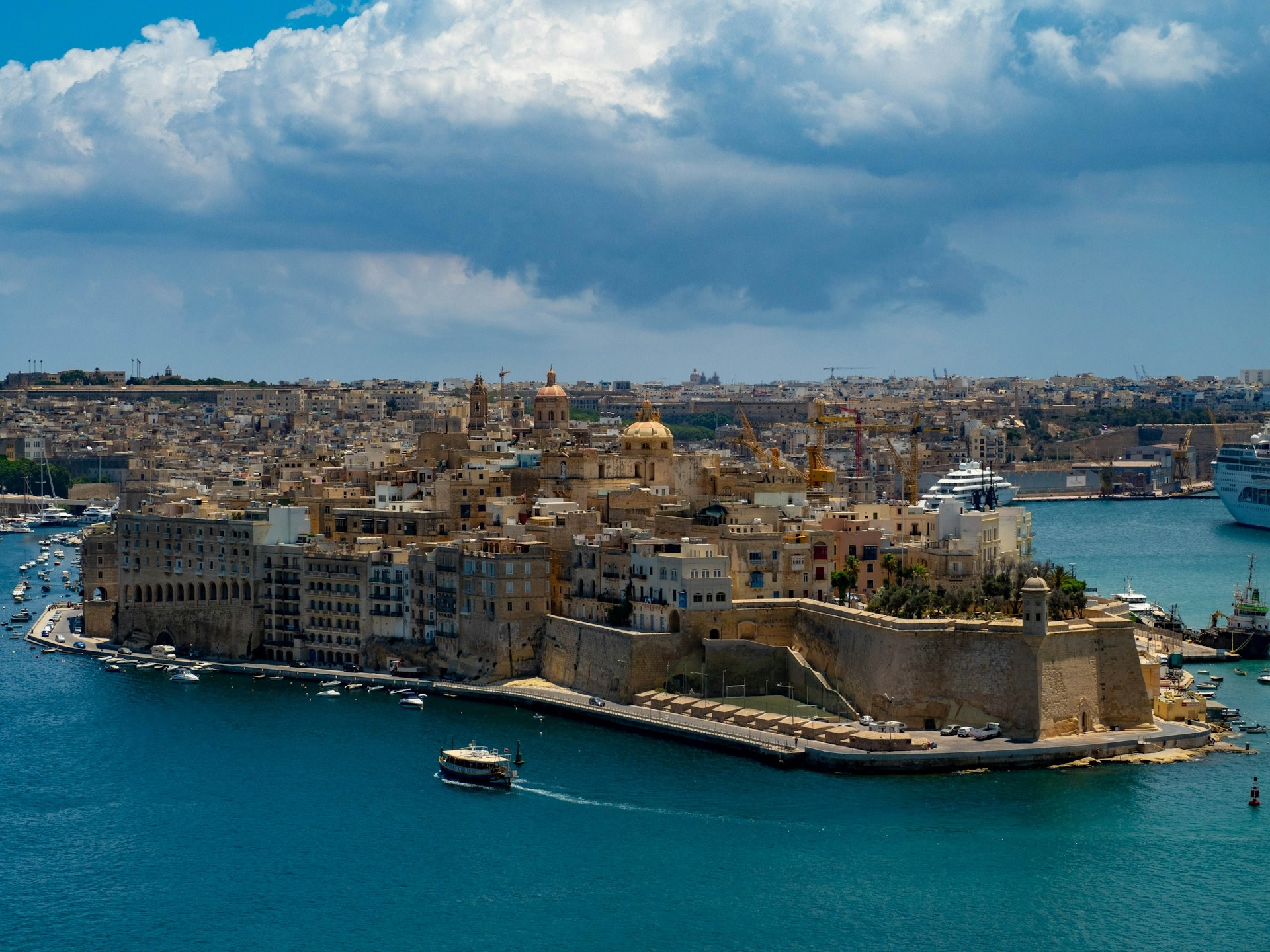
Valletta is more reliable than most on this list, but it’s not completely guaranteed.
The harbour is well protected, and ships can usually dock without major issues. It’s one of the easier ports in the Mediterranean compared to tender-only stops.
That said, strong winds can still affect manoeuvring, especially when ships are entering or leaving the harbour. Even with good infrastructure, weather can still play a role.
Cancellations here are not common, but they do happen from time to time. It’s a good example of a port that is generally reliable, but not immune.
7. Dutch Harbor (Alaska)
Even by Alaska standards, this is a tricky port.
It’s often included on repositioning cruises between North America and Asia, usually in seasons where the weather is less stable.
Strong winds and rough seas are common in this area, and conditions can change quickly. On top of that, these cruises tend to run on tight schedules.
Because it’s such a remote stop, there’s less flexibility if something goes wrong. If there’s any doubt, cruise lines will usually skip it rather than risk delays that affect the rest of the journey.
8. Lerwick (Shetland Islands, Scotland)
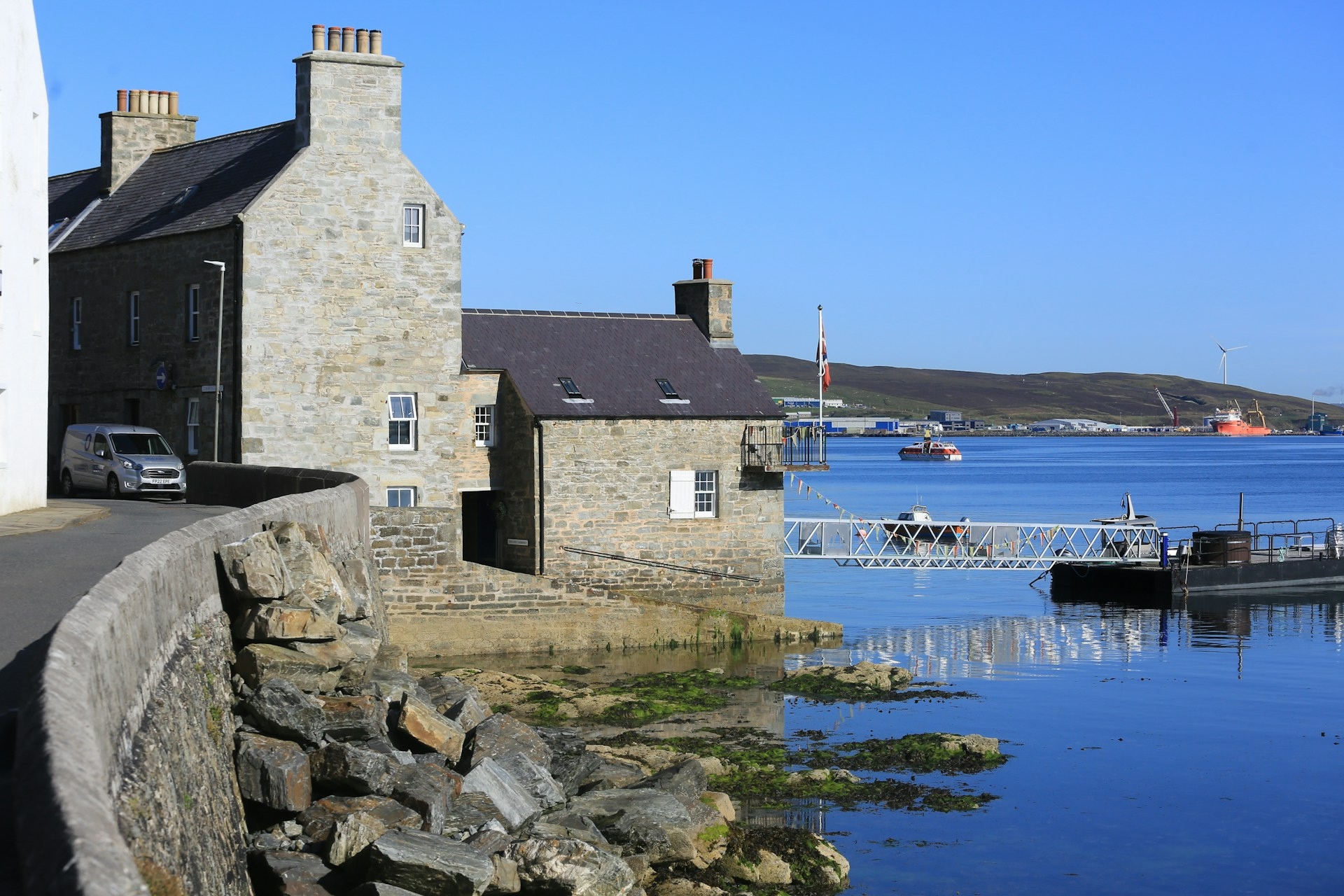
Lerwick does have docking facilities, but the weather can change quickly.
Its location in the North Sea means rough conditions are never far away. Storm systems move through the area regularly, and they can arrive with little warning.
Even if a ship is scheduled to dock, conditions can shift enough to make it unsafe at the last minute.
When ships do make it in, it’s a great stop with plenty to see. But it’s not one you can fully rely on, especially outside of the calmer summer months.
9. Cruise Line Private Islands (Bahamas)
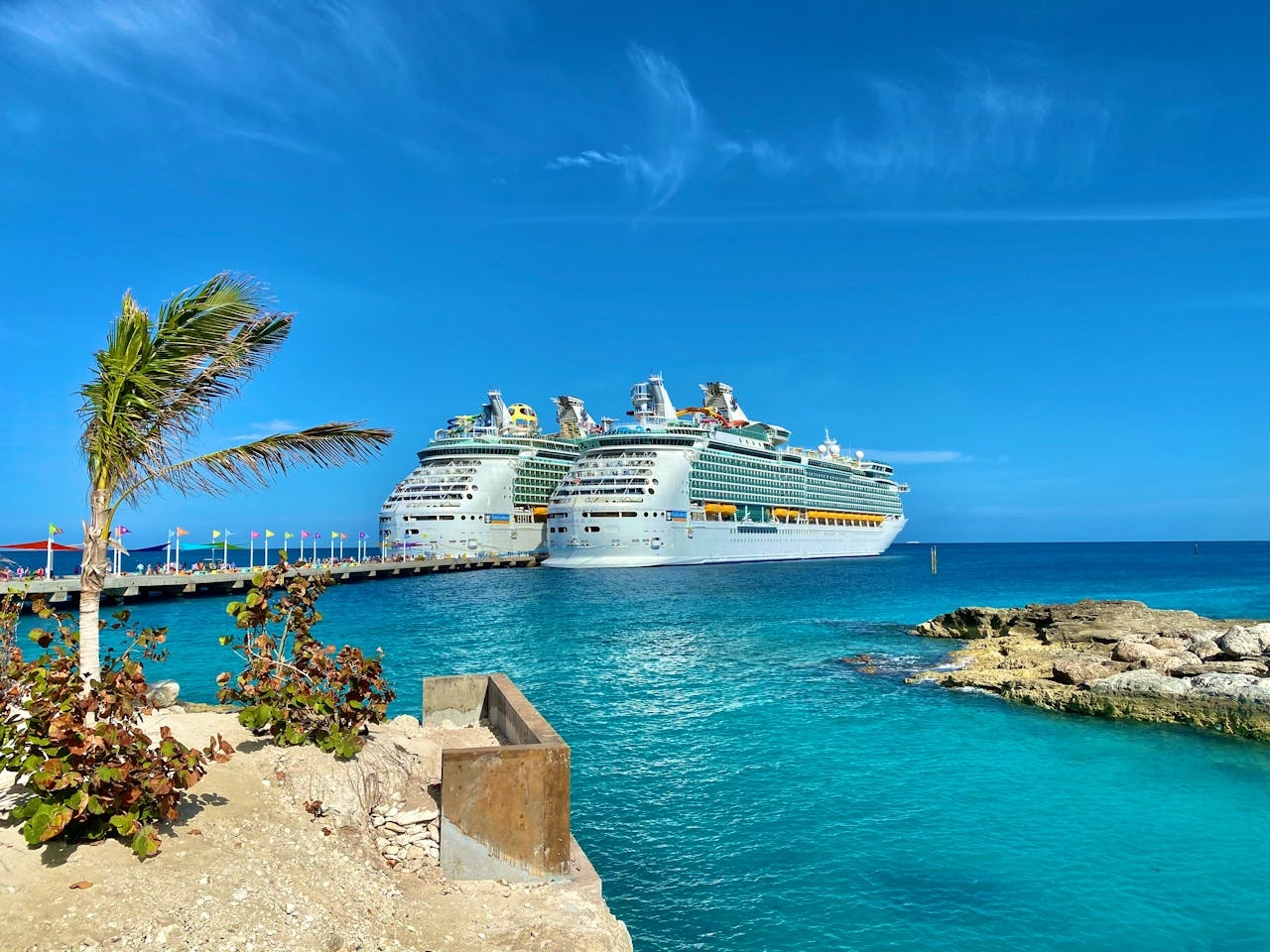
These look like the safest stops on paper, but they’re surprisingly easy to miss.
Many itineraries run all year, including during hurricane season. When storms are active in the region, these ports are often among the first to be skipped.
Even outside of hurricanes, wind and sea conditions can still cause problems. Some of these islands are quite exposed, and docking can become difficult in rougher weather.
Cruise lines will usually try to keep these stops, as they’re a big part of the experience. But if conditions aren’t right, they’ll be dropped.
10. Tórshavn (Faroe Islands)
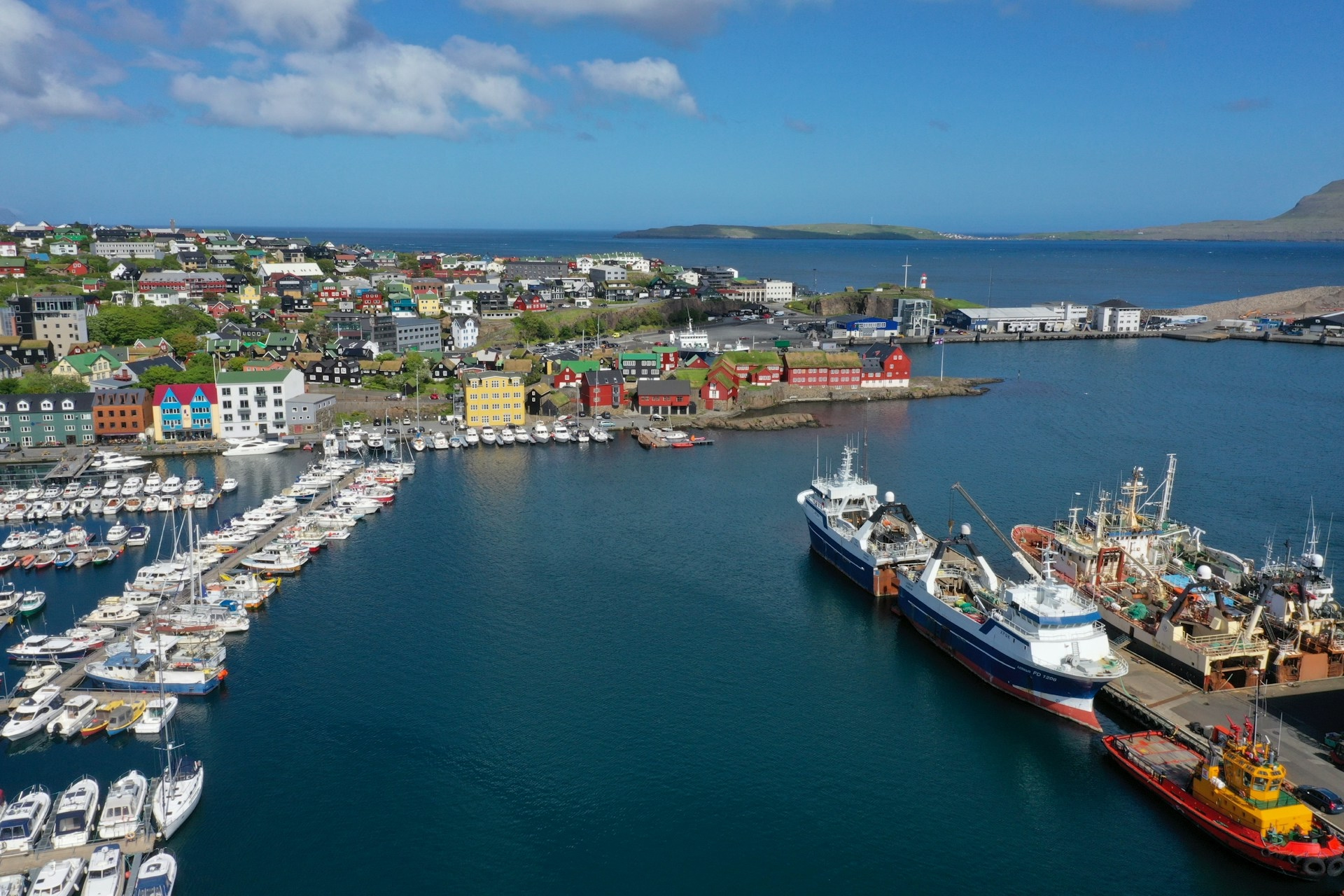
This is another case where location works against it.
The Faroe Islands sit right in the path of North Atlantic weather, so storms are quite common, especially later in the season.
Conditions can change quickly, and even a small shift in weather can affect whether a ship can safely make the stop.
Ships crossing between Europe and North America often need to stay on a tight schedule. If conditions aren’t ideal, this is one of the stops most likely to be dropped.
11. Bar Harbor (Maine, USA)
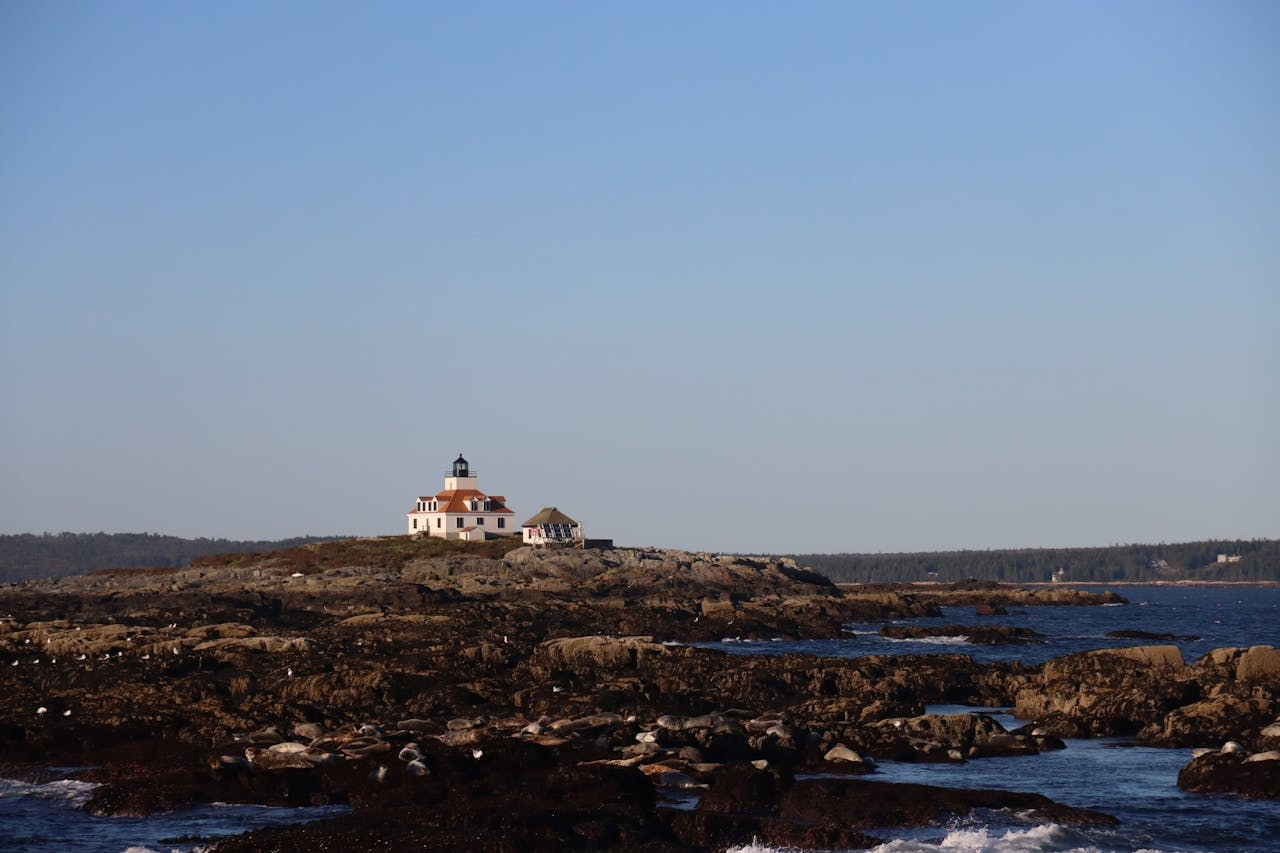
Bar Harbor is a tender port, which already makes it weather-dependent, but there’s more to it.
In recent years, strict limits on cruise ships have made visits less predictable. Local rules now restrict how many passengers can come ashore, which affects how cruise lines plan their stops.
Even if the weather is fine, scheduling issues or capacity limits can still lead to cancellations.
It’s one of the few ports where both weather and local policy play a role, which adds another layer of uncertainty.
12. Kotor (Montenegro)
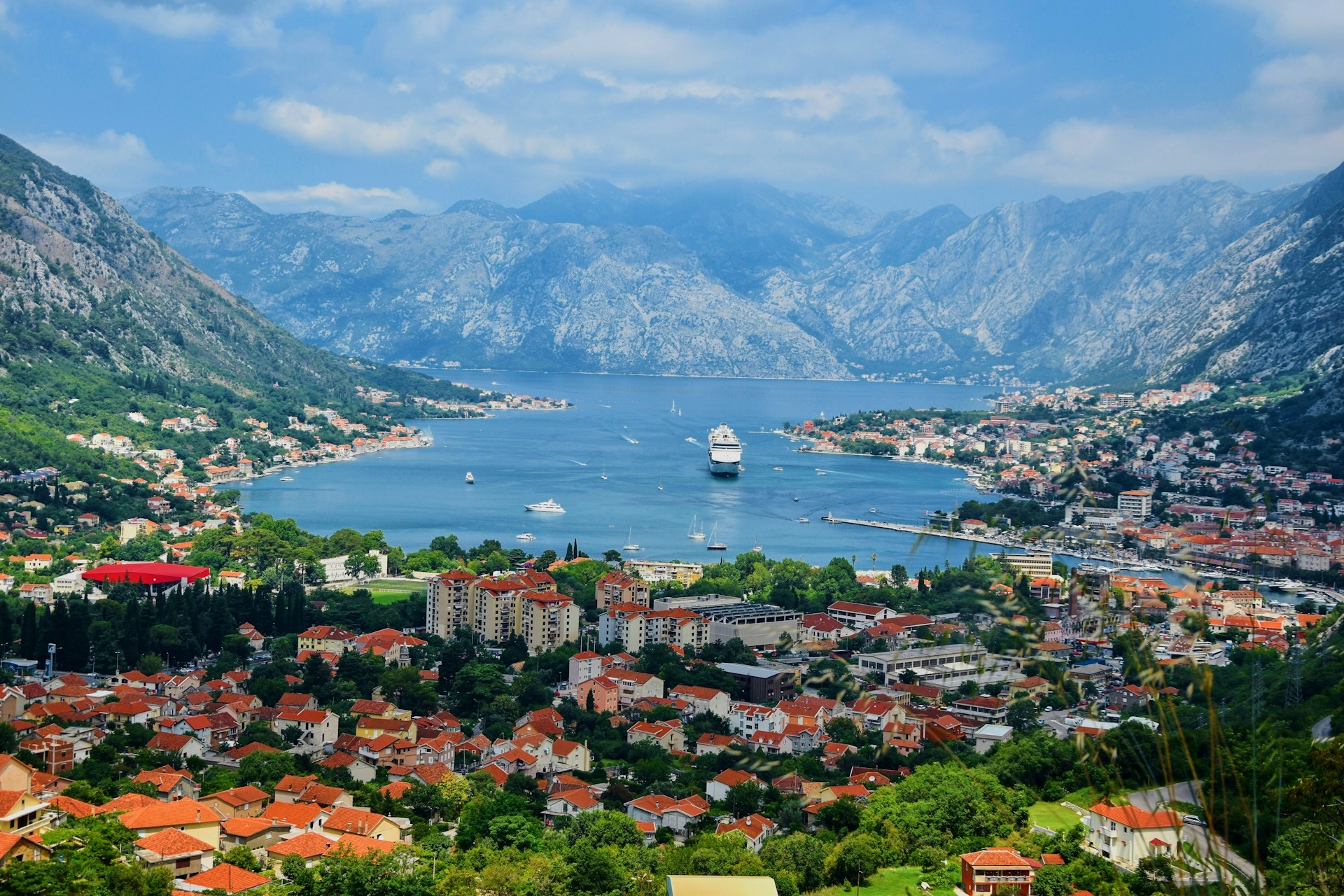
Kotor’s setting is stunning, but getting there isn’t as simple as it looks.
Ships have to pass through a narrow bay, and entry is carefully controlled. There are limits on how many ships can enter, and everything has to be well timed.
If there’s congestion, delays, or even small changes to the schedule, plans can shift quickly.
This is exactly what happened to us. Kotor was cancelled, and we were rerouted to Bar instead. It was still a nice stop, but very different from what we had planned.
It’s a good example of how even popular, well-known ports aren’t always guaranteed.
13. Juneau (Alaska)

Juneau isn’t as weather-sensitive as some others, but it still gets skipped more than people expect.
The main issue is how busy it gets. Multiple ships can be scheduled on the same day, and there’s limited dock space available.
If a ship is running late or there are delays earlier in the itinerary, it can lose its slot.
When that happens, the stop may be shortened or cancelled to keep the rest of the cruise on track. It’s less about weather and more about timing.
Why Ports Get Cancelled
Weather is the main reason, but it’s not the only one. There are a few different factors behind itinerary changes, and some of them have nothing to do with storms.
Weather and Sea Conditions
This is by far the most common reason.
Strong winds, high waves, or poor visibility can make docking unsafe. Even if the destination looks calm from land, conditions at sea can be very different.
Tender ports are especially vulnerable, as they rely on small boats to transfer passengers. If the water isn’t stable, operations stop.
In some cases, the ship can physically reach the port but still won’t be allowed to dock. Safety always comes first.
Port Congestion and Scheduling
Some ports are simply too busy.
Places like Alaska, the Mediterranean, or popular Caribbean stops can have multiple ships scheduled on the same day. If there are too many, one may be rescheduled or removed altogether.
These changes are often made before the cruise begins, but not always.
If a ship is running late, it can also lose its allocated slot and be forced to skip the stop.
Safety and Local Restrictions
Not all cancellations are weather-related.
Political situations, local regulations, or port authority decisions can all affect whether a ship is allowed to visit. Sometimes restrictions are planned in advance, and other times they happen with little notice.
There are also destinations that limit the number of cruise visitors, which can lead to changes even when conditions are good.
We’ve seen this quite clearly in recent years with disruptions in the Middle East. Tensions in parts of the Red Sea and surrounding regions have led some cruise lines, including Carnival, MSC, and Royal Caribbean, to cancel sailings altogether or reroute ships to completely different itineraries. In some cases, ships have had to stay in port longer than planned or avoid certain areas entirely as conditions changed.
This isn’t limited to one region. Similar decisions have been made in the past due to unrest, security concerns, or sudden policy changes in other parts of the world.
Technical or Operational Issues
Ships are complex, and things don’t always go exactly to plan.
If there’s a mechanical issue, even a minor one, the captain may need to reduce speed or adjust the route. When that happens, ports can be removed to keep the overall itinerary on schedule.
Cruise lines will prioritise getting you safely to the final destination over keeping every stop.
Health-Related Situations
This is less common, but it does happen.
If there’s a health concern onboard or at a destination, cruise lines may limit movement on and off the ship. In some cases, that means skipping a port entirely.
These decisions are usually precautionary, but they can still affect the itinerary at short notice.
Will You Get a Replacement Port?
In many cases, yes.
In regions like the Mediterranean or Caribbean, there are usually alternative ports nearby. Cruise lines will try to swap in another stop where possible.
In more remote itineraries, like transatlantic or expedition cruises, that’s not always realistic. If there’s nowhere suitable within reach, you’ll simply get an extra sea day.
What About Compensation?
This is where expectations need to be realistic.
Cruise contracts allow for itinerary changes, so compensation is usually limited. In most cases, you’ll get:
- A refund of port fees and taxes if a stop is completely missed (often a small amount, and sometimes given as onboard credit)
- A full refund for any excursions booked through the cruise line
That’s usually it.
Travel insurance can help, but only if it specifically includes missed port cover. It’s not always included by default.
Final Thoughts
Cruise itineraries are plans, not guarantees.
Some ports are simply harder to reach than others, whether that’s due to wind, sea conditions, or logistics. It doesn’t mean you won’t visit them, but it does mean there’s always a chance.
Captains don’t cancel lightly. If a port is skipped, it’s because conditions make it the safer call.
And while it’s frustrating in the moment, it’s part of cruising that most experienced travellers learn to expect.